Talent
Enablement
AI is useful here because senior people stay accountable for the work.
ToolTwist trains delivery teams to use AI inside existing engineering, analysis, DevOps, and design practices. The point is not novelty. The point is better judgment, faster feedback, and less repetitive work between the first brief and production release.
Shared workflows, prompt patterns, and review habits.
AI assistance embedded in sprint planning, delivery, and QA.
Output judged against quality, risk, speed, and maintainability.
The Augmented Workforce
Experts who've moved
beyond traditional workflows.
We left traditional, slow workflows behind. Everyone at ToolTwist uses AI to handle the daily busywork, clearing the runway so our team can focus 100% on high-level strategy and solving the hard stuff.
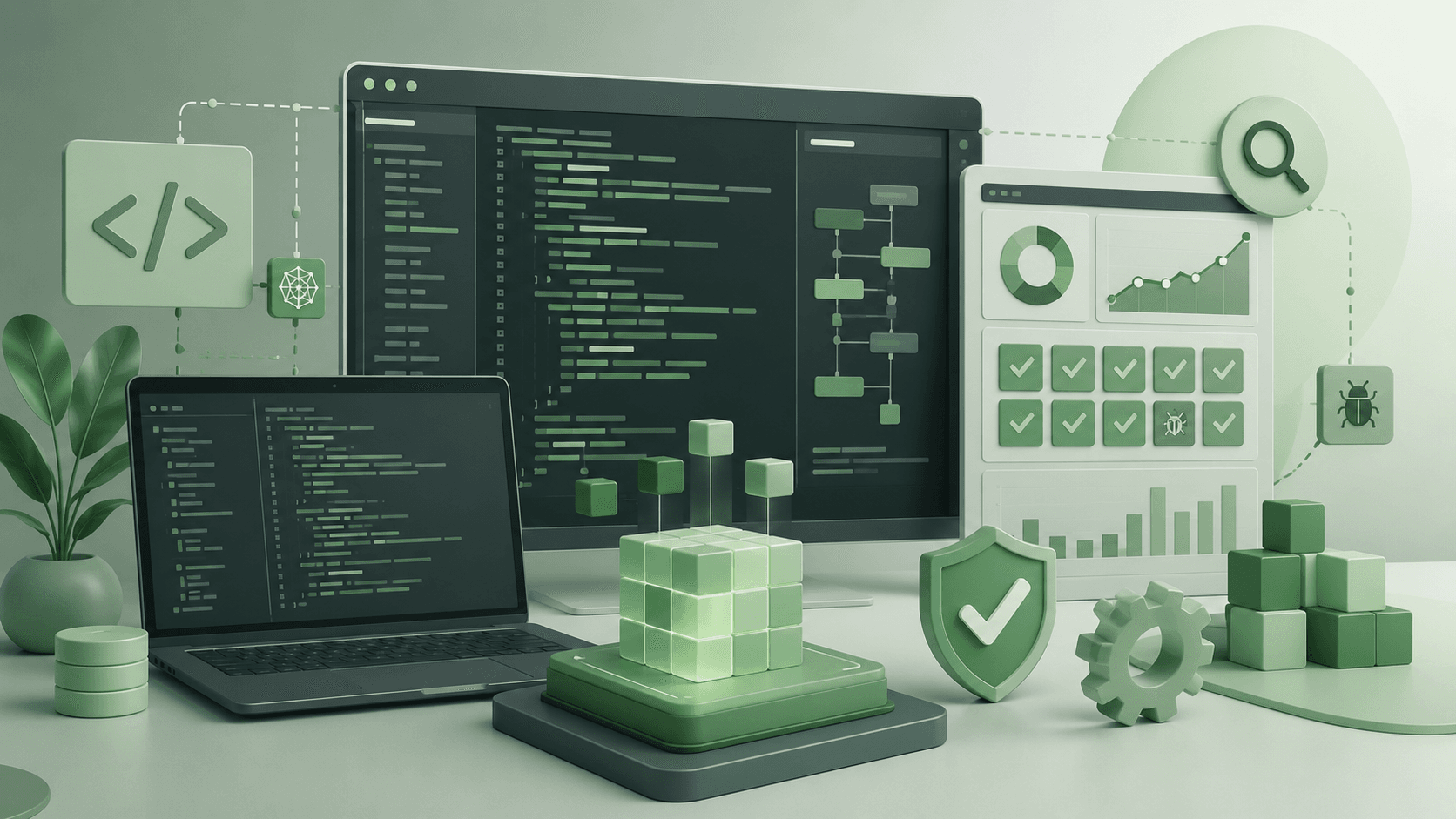
Software Engineering & Testing
Developers use AI to draft, refactor, and debug code while engineers review every change; testers use AI to generate coverage and surface edge cases.
Production-ready code with strong test coverage from the first sprint.
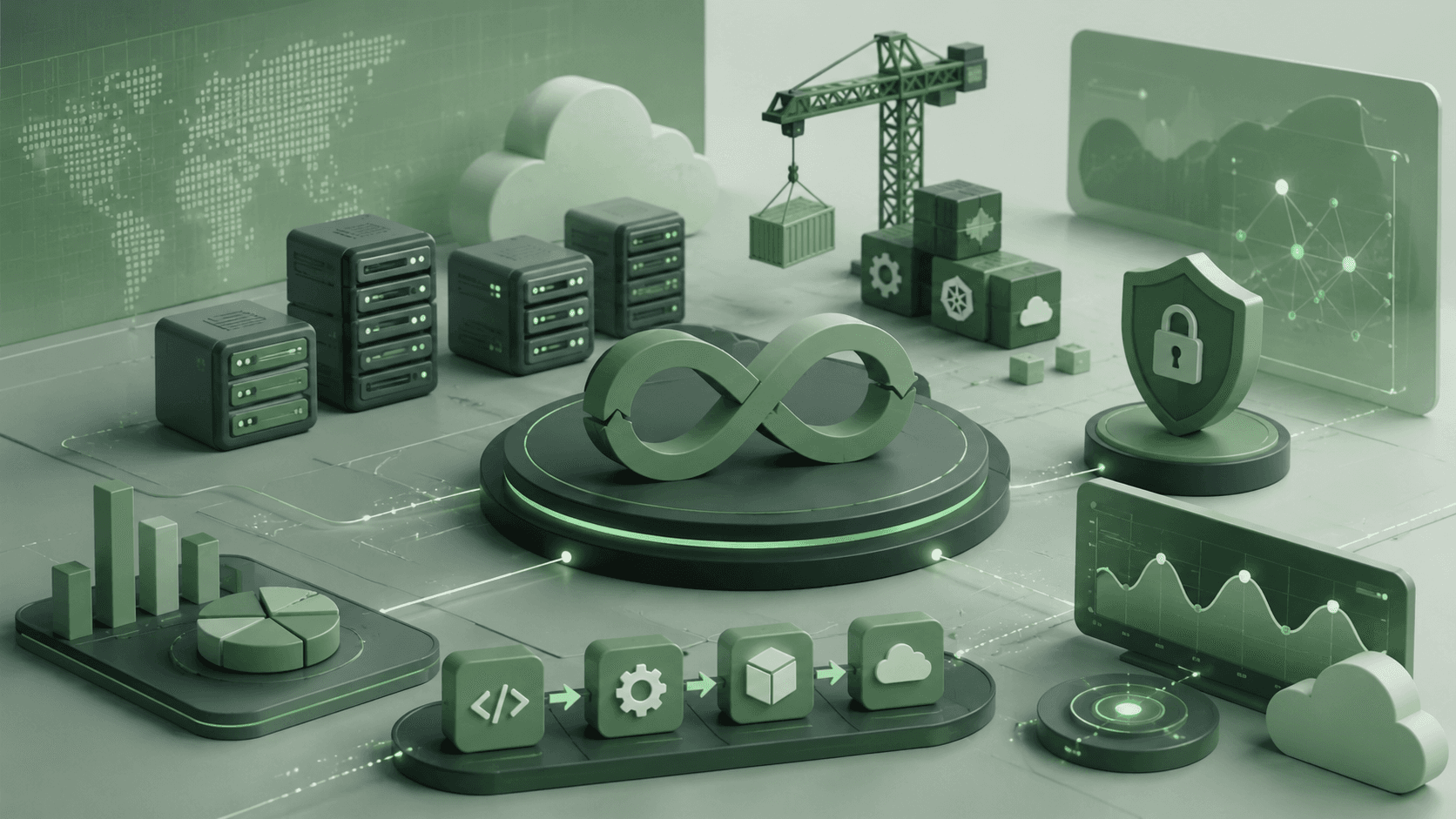
Infrastructure & DevOps
DevOps use AI to deploy infrastructure-as-code, tighten cloud spend, and run security checks, with monitoring that flags anomalies before they reach production.
Resilient, observable infrastructure with zero-downtime deployments and tight cost control.
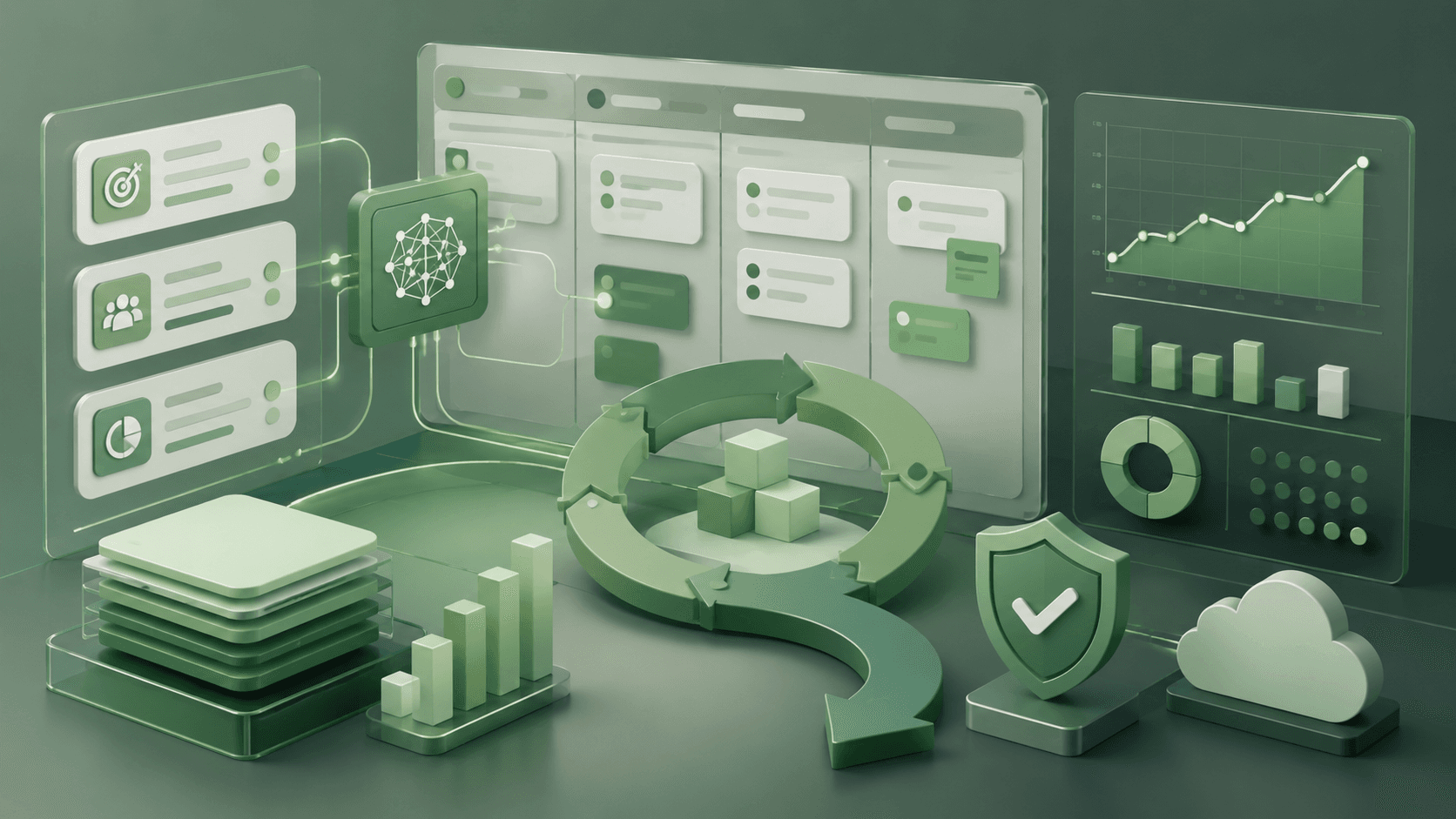
Business Analysis & Scrum Masters
Analysts use AI to turn requirements into ready-to-build user stories; scrum masters track real delivery pace to remove impediments early.
Accurate roadmaps and clear, transparent delivery.
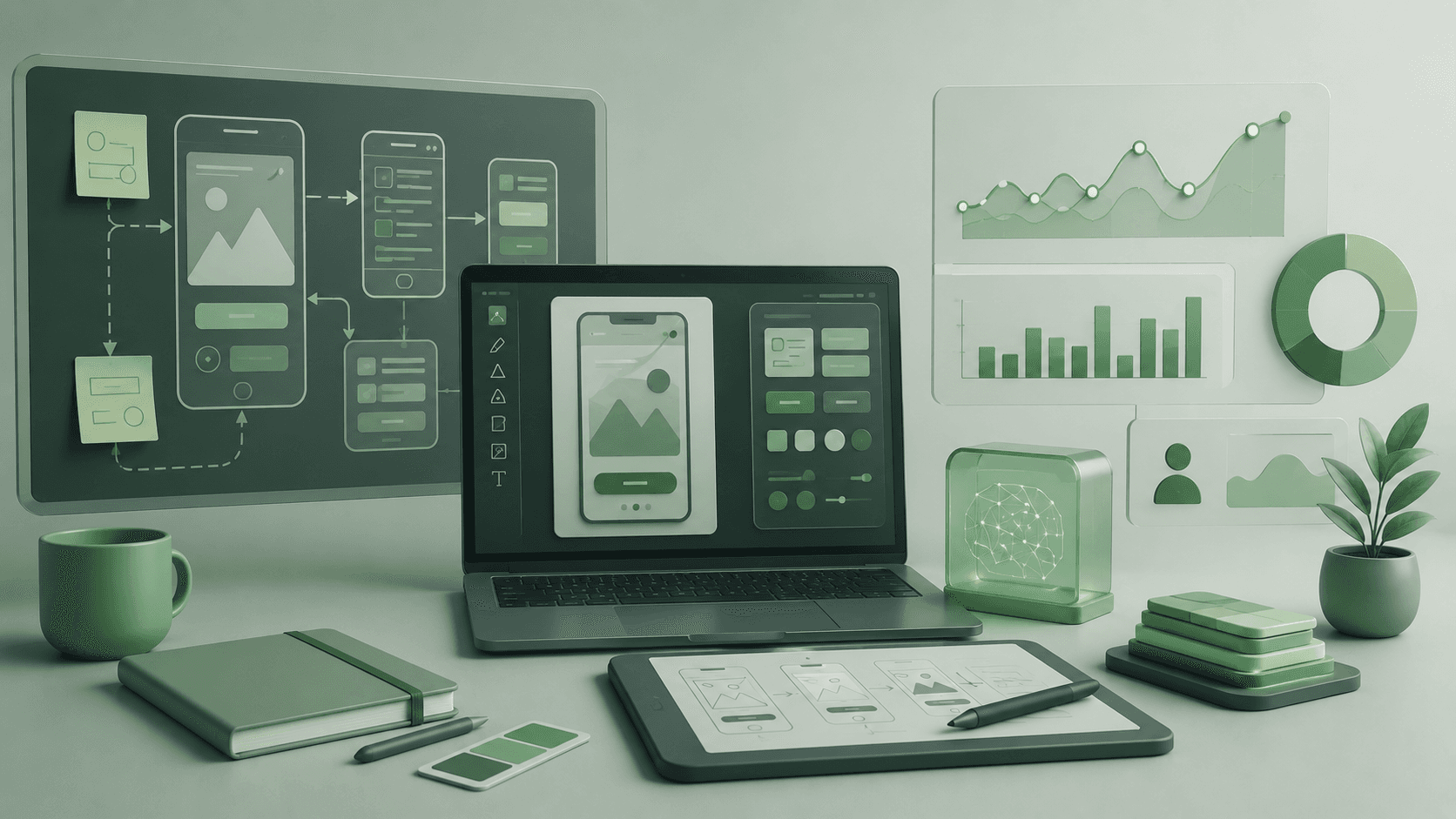
Design & Creative Direction
Designers use AI to produce prototypes quickly and refine flows as real usage data comes in.
User-centred designs delivered quickly and refined against real use.
R&D Discipline
New tools are tested before they become delivery habits.
The R&D Lab gives the team a controlled way to evaluate AI workflows. Useful patterns are documented, taught, and measured. Weak patterns are retired before they reach client work.
Tool evaluation
New models, agents, and automation tools are tested against real delivery tasks before they are added to client workflows.
Internal training
Teams document prompts, review patterns, security limits, and failure modes so useful practices spread without guesswork.
Controlled sandboxing
Experimental workflows stay isolated until they are repeatable, explainable, and safe enough for production work.
Operating Standard
Expert judgment stays in the loop.
We do not provide anonymous resources with a tool subscription. We provide delivery teams with shared standards for when AI helps, when it creates risk, and when a specialist needs to slow the work down.
AI outputs are reviewed by the accountable specialist before they reach a client.
Reusable prompts and workflows are documented as team practice, not kept as individual tricks.
Automation is measured against delivery quality, security, maintainability, and client context.
Roles Covered
AI does not replace the expert. It gives the expert more room to inspect, decide, and take responsibility.
Build delivery capacity without lowering the bar.
Talk to us about the roles, workflows, and review gates behind your next AI-enabled delivery team.